
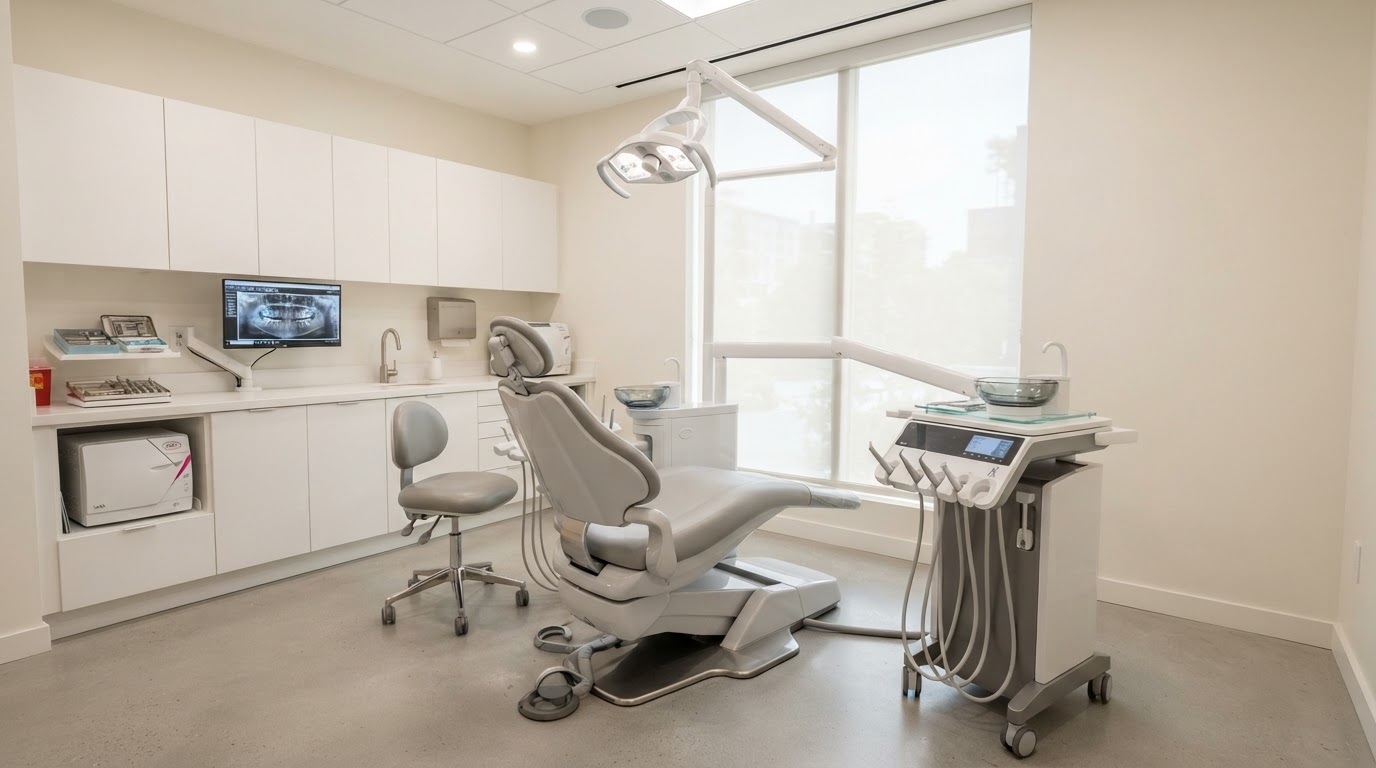
Cosmetic & Restorative Dentistry
Dr. Tariq Sayegh, DDS
Precision dentistry, compassionate care. A modern practice where advanced technology meets genuine, unhurried care, built around the way Dr. Tariq Sayegh believes every patient deserves to be treated.
Patient Education
Dr. Tariq Sayegh's Guide to Healthy Gums and Strong Teeth
Most people only think about their teeth when something hurts. The trouble is that the two biggest threats to your smile, gum disease and tooth decay, usually start quietly. By the time you feel pain, the problem has often been building for months.
In this guide, Dr. Tariq Sayegh walks through what actually happens in your mouth, the early signs worth paying attention to, and the simple habits that make the biggest difference. To learn more about the dentist behind this guide, visit Dr. Tariq Sayegh's background and training. Every number here comes from the Centers for Disease Control and Prevention (CDC), so you can trust the information and check it yourself.
Key Takeaways
- About 4 in 10 U.S. adults aged 30 or older have some level of periodontitis, a serious form of gum disease.
- Gum disease can become serious before you notice any symptoms.
- Gingivitis, the early stage, can be reversed. Periodontitis cannot, but it can be slowed and managed.
- About 1 in 5 adults aged 20 to 64 has at least one untreated cavity.
- Brushing twice a day, flossing daily, professional cleanings, and a yearly checkup are the foundation of prevention.
Why Gum Health Deserves More Attention Than It Gets
Ask most people what they worry about at the dentist and they'll say cavities. Gum disease rarely comes up, even though it's remarkably common.
According to the CDC, about 4 in 10 U.S. adults aged 30 or older had mild, moderate, or severe periodontitis between 2009 and 2014. The numbers differ by sex: roughly 1 in 2 men and 1 in 3 women in that age group had some level of it. It also becomes more common with age. About 60% of adults aged 65 or older had periodontitis during the same period.
The biggest reason gum disease goes unnoticed is that it often doesn't hurt. The CDC notes it can become serious before a person sees any symptoms at all. That's why regular checkups matter even when your mouth feels fine, and why the preventive care Dr. Tariq Sayegh offers is built around catching problems early.
Gingivitis vs. Periodontitis: What's the Difference?
Gum disease isn't one condition. It moves through stages, and knowing which stage you're in changes what's possible.
Gingivitis is the mildest form. Your gums become red and swollen and may bleed easily when you brush or floss. The good news is that gingivitis is reversible. Routine brushing, flossing, and professional cleanings can usually bring your gums back to health.
Periodontitis is what gingivitis can turn into when it's left alone. This stage involves the breakdown of the tissue and bone that hold your teeth in place. Bone loss around the teeth is its main feature, and that damage can't be undone. A dental professional can still slow it down and manage it, which is why catching it early matters so much.
The CDC lists periodontitis and tooth decay as the two leading causes of tooth loss. Keeping your teeth for life mostly comes down to controlling these two problems, which is also the goal behind the diagnostic technology Dr. Sayegh relies on to spot bone loss before it becomes visible.
Warning Signs You Shouldn't Ignore
Your mouth gives you signals, even if they're easy to brush off. The CDC lists these possible signs of gum disease:
- Red, swollen, or tender gums
- Gums that bleed
- Gums that have pulled away from your teeth
- Loose or sensitive teeth
- Pain when chewing
- A change in the way your teeth fit together when you bite
- A change in how a partial denture fits
Bleeding gums are the sign people dismiss most often. Many assume they brushed too hard. Healthy gums generally shouldn't bleed during normal brushing and flossing, so if yours do regularly, it's worth mentioning at your next visit. You can see examples of the calm, modern setting where that visit happens in Dr. Tariq Sayegh's office gallery.
What Raises Your Risk
Some people are more likely to develop gum disease than others. Researchers are still studying the full picture, but the CDC points to several factors linked with it:
Smoking stands out. About 62% of current smokers aged 30 or older had periodontitis between 2009 and 2014, according to the CDC. Among adults living with diabetes, the figure was about 60%.
If any of these apply to you, it doesn't mean gum disease is guaranteed. It means paying a little closer attention and staying consistent with dental visits is especially worth it. Dr. Sayegh shares more on these connections in his patient education articles.
How Plaque Turns Into a Bigger Problem
It helps to understand what's happening on your teeth every day. Some bacteria in your mouth are completely normal. They constantly form a sticky film on your teeth called plaque.
Brushing and flossing remove plaque before it causes trouble. When it stays put, it irritates the gums and can lead to gingivitis. Over time, leftover plaque hardens into tartar, also called calculus. Here's the key detail: once plaque becomes tartar, your toothbrush can't remove it. Only a professional cleaning can.
If buildup keeps spreading below the gumline, it can create a pocket between the tooth and gum. Bacteria in that pocket release toxins that make inflammation worse, and the cycle leads to the bone loss seen in periodontitis.
This is the simplest way to explain why both daily habits and professional cleanings matter. Each one handles a part of the job the other can't.
Cavities Are Still One of the Most Common Problems
Tooth decay hasn't gone away. The CDC reports that 1 in 5 adults (21%) aged 20 to 64 has at least one untreated cavity. Decay often starts young, too. By age 9, half of children have had a cavity in their baby or permanent teeth.
Untreated cavities do more than cause toothaches. The CDC notes that oral disease can lead to pain and infections that affect eating, speaking, and learning, and can even affect social life and job opportunities.
Prevention works. The CDC states that drinking fluoridated water and getting dental sealants in childhood help prevent cavities and save money by avoiding more expensive treatment later. If you're getting started, Dr. Sayegh's new patient guide walks through exactly what to expect.
A Daily Routine That Actually Works
Good oral health doesn't require expensive gadgets or complicated routines. The CDC's guidance for preventing and managing gum disease is straightforward:
Brush twice a day
Morning and night, using fluoride toothpaste, reaching every surface of every tooth.
Floss every day
Flossing cleans between teeth, where your toothbrush can't reach and plaque loves to hide.
Get regular professional cleanings
This is the only way to remove tartar once it forms.
See a dentist at least once a year
Or more often if your dental provider recommends it.
The best routine is the one you'll actually keep. Two minutes of careful brushing every day does more than an hour of scrubbing once a week.
Your Mouth and the Rest of Your Body
Your mouth isn't separate from the rest of you. The CDC says oral health is essential to general health and well-being.
The connection with diabetes is especially clear. People with diabetes face a higher risk of gum disease, and the CDC notes that untreated periodontitis can make chronic conditions like diabetes worse. Anyone managing diabetes has extra reason to keep their gums healthy and to let both their doctor and dentist know about the condition. If you have questions like this, Dr. Tariq Sayegh's frequently asked questions cover them in plain language.
If Cost Is Holding You Back
Many people put off dental care because of money. If that sounds familiar, there are real options. The U.S. Department of Health and Human Services has information on finding low-cost dental care. The CDC also points out that many dental and dental hygiene schools run clinics, staffed by faculty and students, where care is priced based on what patients can afford. You can find accredited programs near you through the Commission on Dental Accreditation's online search. When you're ready, reach out to Dr. Tariq Sayegh to talk through affordable options.
Skipping care usually ends up costing more, because small problems tend to grow into bigger ones.
Frequently Asked Questions
The Bottom Line
Healthy teeth and gums come from small habits repeated every day, plus regular professional care to catch what home care misses. Gum disease and cavities are both common, but both are largely preventable. If something in your mouth feels or looks different, don't wait for it to hurt. Early attention is almost always easier, faster, and less expensive.
This article by Dr. Tariq Sayegh is for general education and isn't a substitute for a personal dental exam.
15+
Years of Practice
12,000+
Smiles Transformed
6
Advanced Technologies
Same-Day
Ceramic Crowns
About Dr. Tariq Sayegh
A dentist who treats people, not just teeth.
For over fifteen years, Dr. Tariq Sayegh has built a reputation for meticulous, judgment-free dentistry. His philosophy is simple: explain everything, never rush, and treat each patient the way he would want his own family treated.
From a single veneer to a full-mouth restoration, you'll receive the same unhurried attention and modern, evidence-based care that patients across the region travel here for.
Meet Dr. Sayegh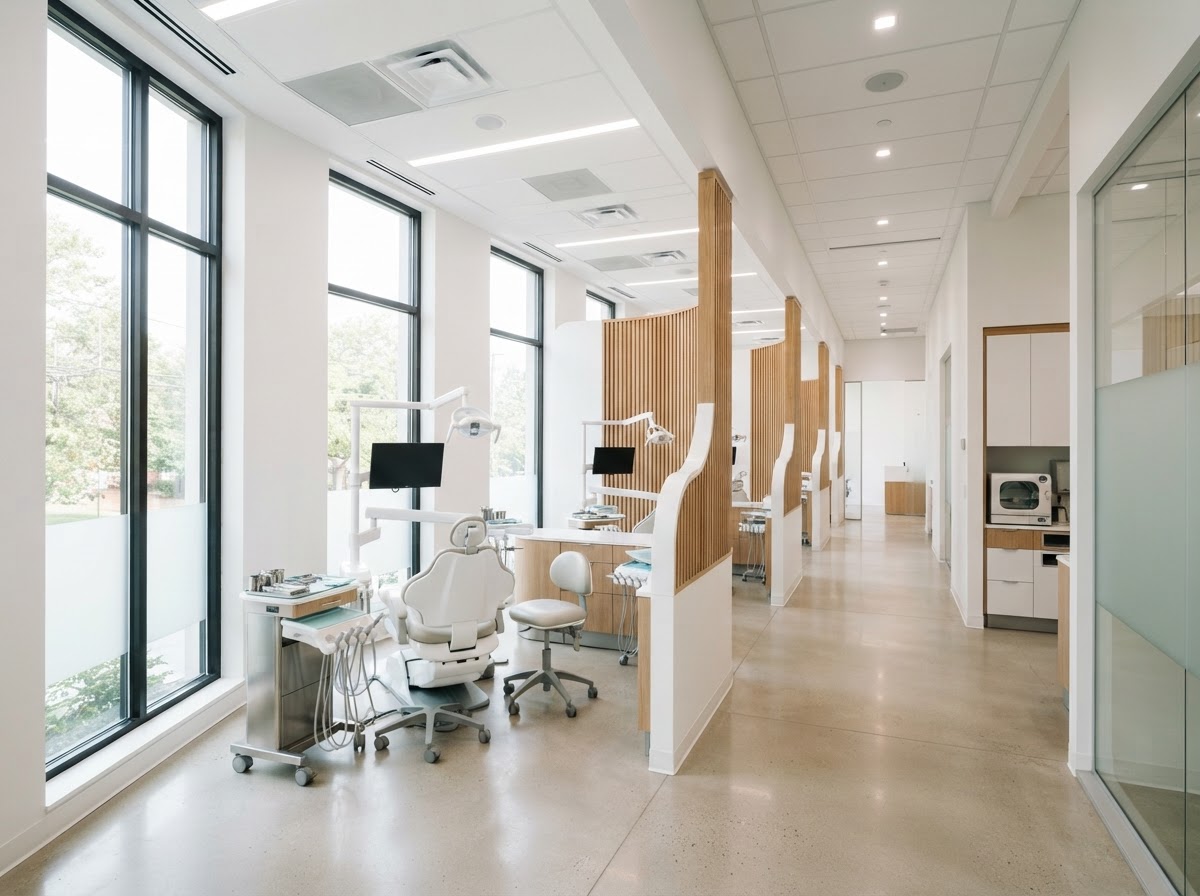
What Dr. Tariq Sayegh Offers
Comprehensive dental care by Dr. Tariq Sayegh
Cosmetic Dentistry
Veneers, whitening, and smile makeovers tailored to you.
Dental Implants
Permanent tooth replacement that looks and feels natural.
Invisalign & Orthodontics
Clear aligners for a straighter, healthier smile.
General & Family Care
Cleanings, exams, and preventive care for all ages.
Restorative Dentistry
Crowns, bridges, and fillings to rebuild your smile.
Emergency Dentistry
Same-day relief for urgent dental needs.
The Dr. Tariq Sayegh Experience
Calm, clear, and genuinely comfortable
Most people carry some version of dental dread. Dr. Sayegh designed the practice around the opposite feeling: a place where the lights aren't blinding, the schedule isn't rushed, and no one makes you feel bad about the years you stayed away.

A warm welcome
A reception area that feels more like a living room than a waiting room.
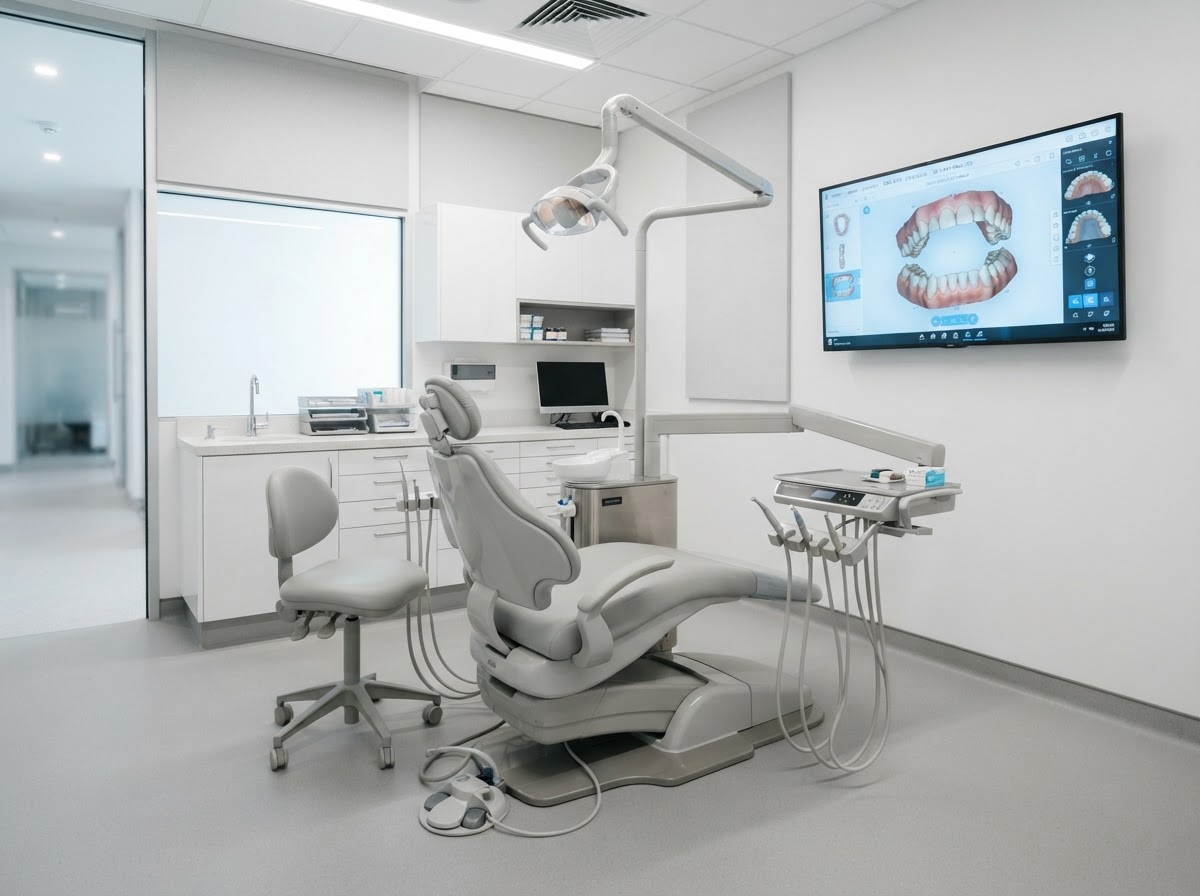
Unhurried care with Dr. Tariq Sayegh
Longer appointments mean less rushing and more attention to your comfort.
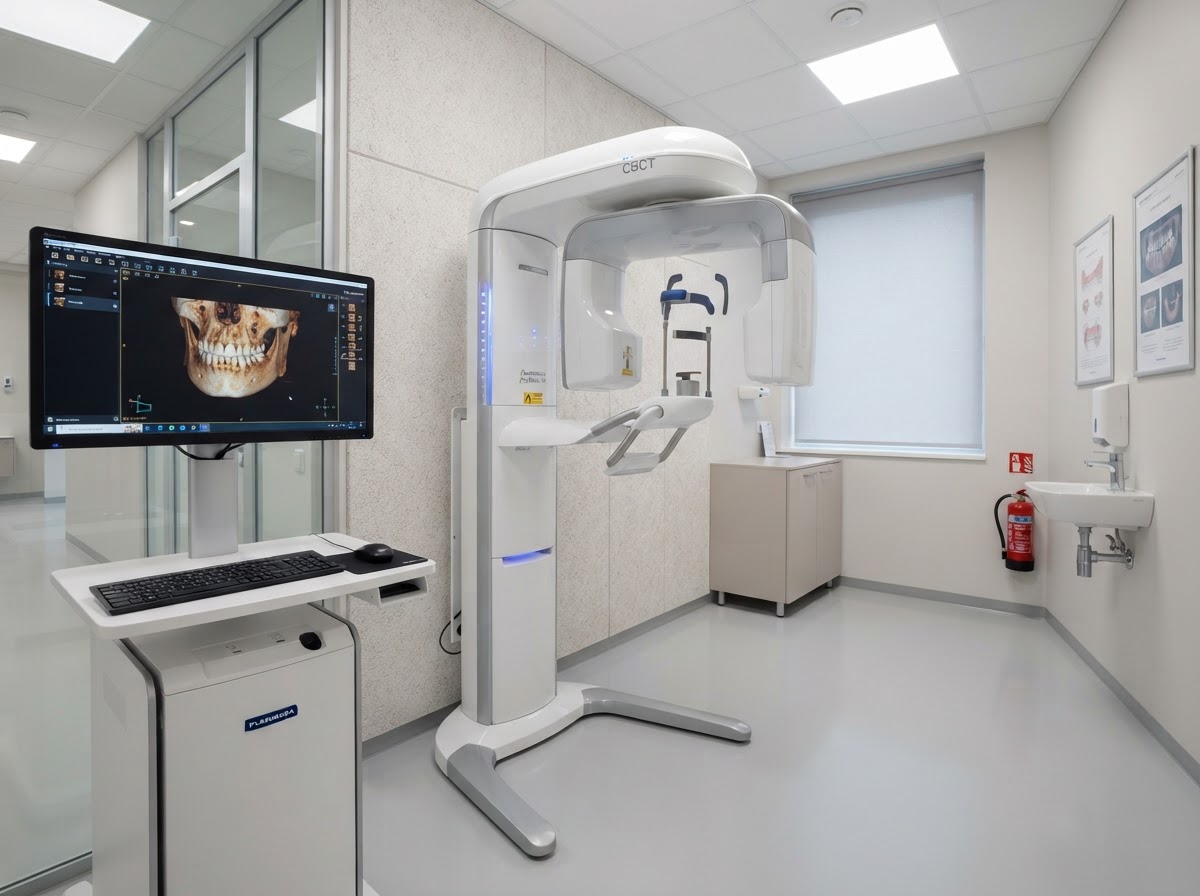
See it together
We show you your scans and explain every option before anything begins.
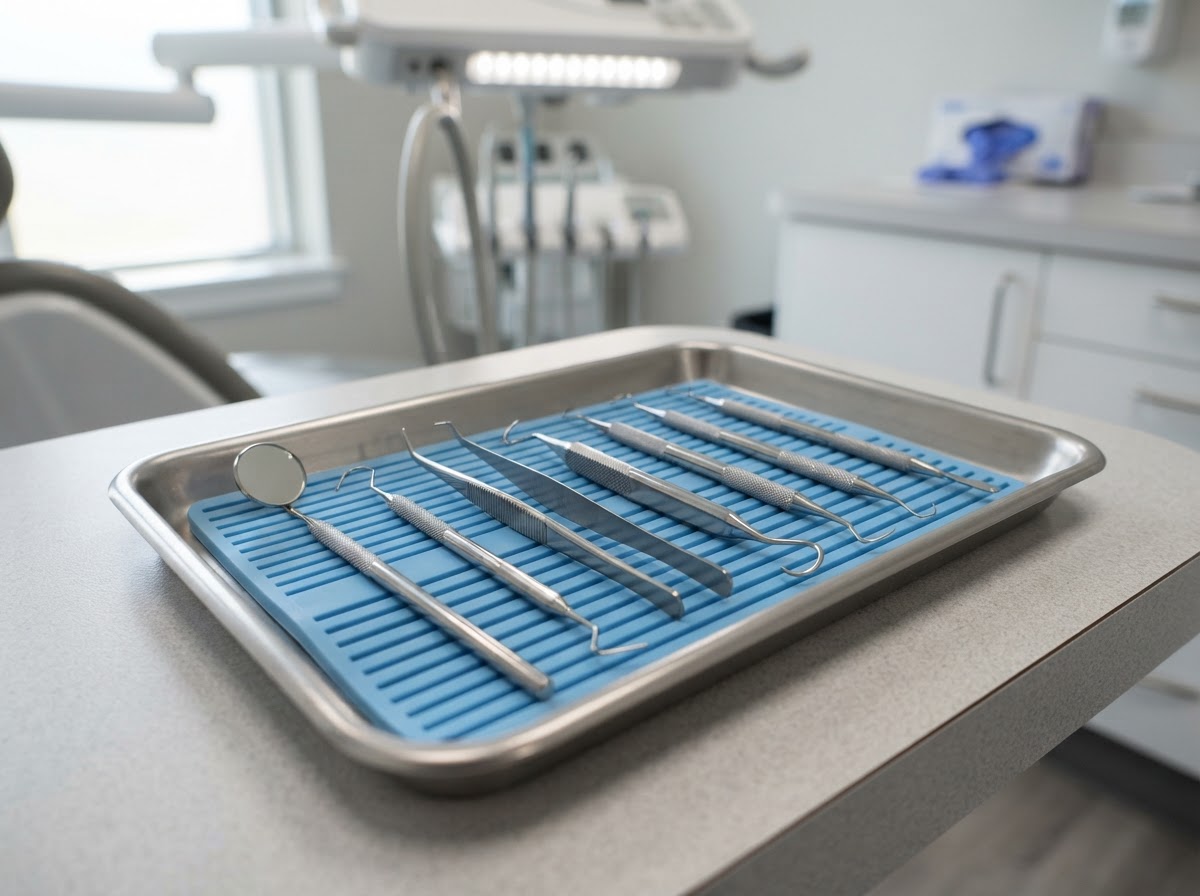
Technology at Dr. Tariq Sayegh
Modern tools, better outcomes
Digital intraoral scanning, 3D imaging, and same-day ceramic crowns mean fewer appointments, less discomfort, and results you can trust. Dr. Sayegh invests in technology only when it genuinely improves your experience, not for show.
Explore our technologyGentle & Calm
A spa-like atmosphere and a team trained in anxiety-free, pain-managed care.
Advanced Technology
Digital scanning, 3D imaging, and same-day restorations for better results.
Transparent Pricing
Clear estimates upfront, flexible financing, and in-network with major plans.
Your healthiest smile starts with Dr. Tariq Sayegh
Experience dentistry designed around you: precise, gentle, and genuinely comfortable.